
Best overall for building a gold-led stack: the Marquise Stacker in Gold. Best for a small stone accent: the Mini Stone Stacker Ring; best for dark contrast: the Ultra Light Eternity Band in Black Diamond; best for a clustered focal point: the I Am Cluster Ring in 9kt Gold—four stacking rings to consider for a personal mix in 2026.
- Blackbettydesign stacking rings suit shoppers seeking handmade jewellery with personal meaning, rather than a prescribed matching set.
- Choose the Marquise Stacker in Gold as a starting point for a gold-led stack; confirm its profile against neighbouring rings.
- Use the Mini Stone Stacker Ring for a small stone accent, checking the gemstone and metal before choosing.
- Build mixed-metal and gemstone combinations around comfortable fit, compatible settings and one clear focal point.
Why your ring stack should begin with you
The best stack is not necessarily the fullest. It is the combination you enjoy looking at and can comfortably wear through your ordinary day. A ring that catches your attention alone still needs to earn its place beside another.
For your 2026 collection, begin with something personal: a metal colour you return to, a stone you associate with a milestone, or a shape that feels like your own handwriting. Blackbettydesign stacking rings are best for shoppers seeking handmade jewellery with personal meaning, rather than a prescribed matching set. This guide ranks design roles, not tested performance or an obligation to buy every piece.
What makes the best stacking rings?
Use these criteria before choosing a favourite. A beautiful arrangement on a table is only the beginning; your hand decides whether it works.
- Comfortable fit: assess the complete stack, not just each ring separately. Combined width changes how the arrangement feels.
- Compatible profiles: check whether bands and settings sit together without pressing against one another.
- Clear materials: confirm the metal, fineness, gemstone identity and any treatment information relevant to care.
- Distinct design roles: let a supporting ring frame the focal piece rather than compete with it.
- Personal meaning: choose symbolism you genuinely connect with, whether or not it follows a birthstone tradition.
- Practical care: choose a combination you can separate, inspect and clean according to each piece’s requirements.
Stacking rings at a glance
The order below follows a buying decision: foundation first, then a small accent, dark contrast and a clustered centrepiece. Product names identify the design direction; they do not establish dimensions, compatibility or every material detail.
| Ring | Best for | Standout design cue | Key limitation to check |
|---|---|---|---|
| The Marquise Stacker in Gold | Starting a gold-led stack | A marquise-named stacking design in gold | Whether its outline fits your existing rings |
| The Mini Stone Stacker Ring | Adding a small stone accent | A mini stone stacking design | Gemstone identity, metal and setting height |
| The Ultra Light Eternity Band in Black Diamond | Introducing dark contrast | Black diamond in an eternity-band design | Contact between its setting and neighbouring rings |
| The I Am Cluster Ring in 9kt Gold | Creating a clustered focal point | A cluster design in 9kt gold | Cluster clearance beside another band |
1. The Marquise Stacker in Gold: best for a gold-led foundation
The Marquise Stacker in Gold is the first design to consider when you want gold to lead the arrangement. Its name identifies a stacking role, but does not establish whether the marquise reference describes a stone or another design detail. Check the piece itself before choosing its neighbours.
Start by placing it beside a ring you already wear. If you want to introduce silver, let the contrast come from that second piece rather than adding several unfamiliar elements together. The aim is a deliberate relationship between shapes, not perfect sameness.
The Marquise Stacker in Gold pros:
- A stacking-focused starting point for the shortlist.
- A gold-led direction that can anchor your colour choices.
- A distinct design reference to assess against your existing jewellery.
The Marquise Stacker in Gold cons:
- The name alone does not confirm gold fineness or dimensions.
- A shaped outline needs an actual side-by-side fit check.
Best for: you want to build around gold without committing to an entirely matching set.
Verdict: Buy for a gold-led foundation after confirming the metal details and the fit with your neighbouring ring.
2. The Mini Stone Stacker Ring: best for a small stone accent
The Mini Stone Stacker Ring is the clearest candidate when you want a stone detail rather than a cluster-led centrepiece. Treat “mini” as the design name, not a measurement. Check the actual dimensions and how the setting sits on your finger.
This is also a useful place to bring personal symbolism into your stack. If a birthstone matters to you, confirm the gemstone rather than choosing from colour alone. Different gems can share similar colours, and a meaningful choice deserves an accurate name.
The Mini Stone Stacker Ring pros:
- A stone-focused option with an explicit stacking role.
- A starting point for building around a personal colour preference.
- An alternative to making a larger cluster the centre of the arrangement.
The Mini Stone Stacker Ring cons:
- The name does not identify the gemstone or metal.
- A smaller-looking detail still needs a setting-clearance check.
Try this design with a visually quieter band before adding another stone. Giving each detail room often makes the arrangement easier to read.
Best for: you want a stone accent to sit within your stack rather than define the whole composition.
Verdict: Buy for a small stone accent once the gemstone, metal and dimensions match what you want to wear.
3. The Ultra Light Eternity Band in Black Diamond: best for dark contrast
The Ultra Light Eternity Band in Black Diamond introduces a different visual direction from a pale or colour-led stone choice. The product name identifies black diamond and an eternity-band design. It does not establish the band’s weight, width or setting construction.
Consider this ring when your existing jewellery needs contrast rather than another similar detail. Place it beside a simpler band first, then look at the whole hand. A dark element can become the visual anchor even when you intended another ring to lead.
The Ultra Light Eternity Band in Black Diamond pros:
- Black diamond is explicitly identified in the product name.
- A distinct dark-stone direction for your shortlist.
- An alternative to a single central stone as the main design idea.
The Ultra Light Eternity Band in Black Diamond cons:
- “Ultra Light” is a product name, not a verified weight here.
- The setting needs inspection for contact with adjacent bands.
Do not assume diamond makes the complete ring resistant to every kind of damage. Settings and neighbouring metals still need care, and diamonds can chip under impact.
Best for: you want dark contrast to give an existing arrangement a different character.
Verdict: Buy for black-diamond contrast after checking the setting and how it meets your other rings.
4. The I Am Cluster Ring in 9kt Gold: best for a clustered focal point
The I Am Cluster Ring in 9kt Gold is the candidate to consider when you want the stack to gather around a central design. Its name confirms 9kt gold and a cluster format; it does not identify the stones. Let the actual piece determine the supporting bands.
For context, 9kt gold contains 9 parts gold out of 24, equivalent to 37.5% gold by mass. That describes fineness, not the ring’s dimensions, colour or suitability for your skin. Those are separate checks.
The I Am Cluster Ring in 9kt Gold pros:
- Gold fineness is stated in the product name.
- A clear cluster-led direction for a focal piece.
- A useful starting point if personal expression matters more than symmetry.
The I Am Cluster Ring in 9kt Gold cons:
- Gemstone identities are not established by the name.
- A cluster can complicate the fit of a neighbouring straight band.
Try the cluster alone before building around it. You might prefer its outline uninterrupted, with supporting rings on another finger rather than directly alongside it.
Best for: you want a clustered centrepiece and are willing to build the arrangement around its shape.
Verdict: Buy for a cluster-led focal point; hold off on companion bands until you have checked the clearance.
How to mix metals and gemstones without losing the thread
For a 2026 stack that still feels like you, choose a connection rather than a rule about matching. That connection can be colour, repeated shapes or a personal story.
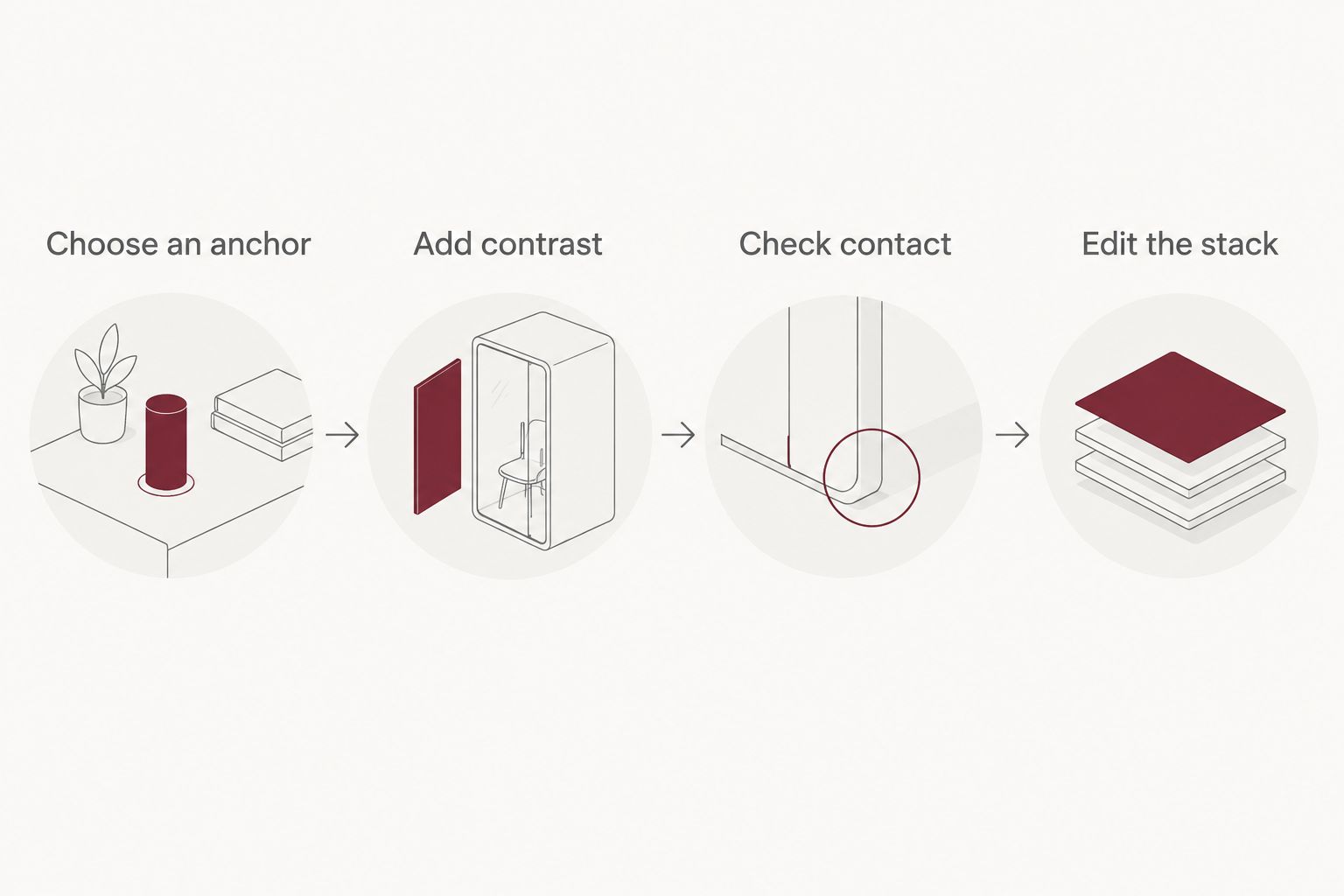
Choose an anchor
Begin with the ring you would wear even if you owned no others. Its metal colour, outline or stone becomes the reference point. This keeps the arrangement rooted in something you genuinely like.
Add contrast
Introduce a different metal colour or a stone detail—not necessarily both at once. Start with 2 rings, look at them in daylight and wear them together before deciding what is missing. This is a styling exercise, not a required ring count.
Check contact
Look from the side as well as above. Check whether settings press against bands, whether a stone touches another ring and whether the arrangement catches as you move. Do not use another ring to force an uncomfortable piece into position.
Edit the stack
Add a third ring only if it contributes something clear. If the result feels crowded, move a piece to another finger or return to the simpler pairing. Leaving space is a design decision, not an unfinished collection.
Fit comes before the final photograph
A stack increases the total width around your finger. A size that feels comfortable as a single narrow band does not automatically feel the same beside other rings. Try the full arrangement together before committing to the combination.
Bend your fingers, make a relaxed fist and check that the rings do not pinch or press uncomfortably. You should also be able to remove the arrangement without forcing it. Ask a jeweller to assess the fit if you are uncertain; do not apply a blanket rule about sizing up.
Your hands are part of your day, not a display stand. If you type, carry bags or work with your hands, test the arrangement through those familiar movements. A stack that only feels right when your hand is still needs editing.
Materials, symbolism and care
Mixing gold and silver is a styling choice, not a requirement to match every metal you wear. Confirm what each ring is made from, including whether a finish is plated, before deciding how to care for the combination. Colour alone does not tell you composition.
Gemstone meanings belong to cultural tradition and personal interpretation. A stone can remind you of a birthday, a place or a decision without promising any effect on health, mood or energy. Blackbettydesign jewellery can sit within that personal story; the meaning does not need a scientific claim to matter.
Keep care specific to the actual materials. Remove rings for activities that expose them to hard impacts or abrasive contact, separate pieces for storage and follow the care guidance for each stone and setting. Do not choose a cleaning method solely because it suits the metal; the gemstone may need different treatment.
How these stacking rings were ranked
This 2026 shortlist prioritises a clear stacking role, distinct design directions and material information stated in the product names. The Marquise Stacker in Gold comes first as a gold-led starting point; the other choices answer different needs rather than compete for the same role.
The ranking does not claim hands-on testing or universal compatibility. For Blackbettydesign stacking rings, the deciding checks remain the same: verified materials, comfortable combined fit and enough space between settings.
Which stacking rings should you choose?
Choose the Marquise Stacker in Gold first if you want a gold-led foundation. Choose the Mini Stone Stacker Ring for a small stone accent, the Ultra Light Eternity Band in Black Diamond for dark contrast, or the I Am Cluster Ring in 9kt Gold for a clustered centrepiece.
For your 2026 collection, buy the ring that makes sense alone before assembling the full stack. A companion piece should deepen the arrangement, not rescue a choice you do not enjoy wearing.
FAQ
What are the best stacking rings to start with?
The Marquise Stacker in Gold is the first choice in this guide for a gold-led stack. Confirm its profile and materials, then try it beside a ring you already wear before adding more.
Can I wear gold and silver stacking rings together?
Yes, gold and silver rings can form a mixed-metal stack. Check their combined fit and contact points; matching colours is a styling preference, not a requirement.
Should I size up when buying stacking rings?
Do not automatically size up for stacking rings. Combined width changes the feel, so have the complete arrangement assessed rather than applying a fixed size adjustment.
Can I stack gemstone rings next to each other?
Stack gemstone rings only after checking that stones and settings do not press or rub against neighbouring pieces. A jeweller can assess clearance when the arrangement is difficult to judge.
How many stacking rings should I wear together?
Start with two rings and add another only if the fit stays comfortable and the design benefits. There is no required number; you can also divide the arrangement between fingers.
Does a birthstone ring have to match my birth month?
No, your personal jewellery choice does not have to follow a birthstone calendar. Choose a stone for its colour or meaning, while treating gemstone symbolism as tradition or personal interpretation rather than a health benefit.
Is 9kt gold the same as pure gold?
No, 9kt gold contains 37.5% gold by mass, with other metals making up the balance. Confirm the specific alloy information if metal sensitivity affects your choice.
One last thing
Before buying another band, move a ring you already own to a different finger. The space between pieces can change the composition as much as another gemstone does. Photograph both arrangements, then choose the one that feels most natural on your hand—not simply the one that fills more space.